Don’t Choose Conveyor Belt Sushi Only by Famous Chain Names
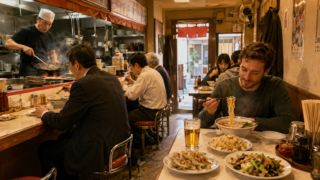
When people visit Japan and want to eat sushi, the first option that often comes to mind is a famous conveyor belt sushi chain.
These well-known chains are convenient. The prices are easy to understand, the restaurants are casual, and the ordering systems are usually simple. For someone eating conveyor belt sushi in Japan for the first time, they are a safe and comfortable choice. The food is good, the quality is stable, and it is hard to make a serious mistake.
But if you are eating conveyor belt sushi in Japan, choosing only by famous chain names can be a little limiting.
Conveyor belt sushi is one of those foods where a little local research can make a big difference. Some restaurants are not famous nationwide, but they are loved in their own region. Some are small regional chains. Others have only a few branches. In many cases, the prices are still reasonable, but the toppings are larger, the seafood tastes fresher, and the overall satisfaction can be much higher.
Port Towns Are a Good Place to Look for Better Sushi
This is especially true in port towns with fishing harbors.
In those areas, you may find conveyor belt sushi restaurants and ordinary sushi restaurants that offer three things at once: reasonable prices, fresh seafood, and a wide variety of toppings. Of course, this does not mean every restaurant near the sea is automatically good. But in places where seafood landing and distribution are close to everyday life, the way people enjoy sushi can feel quite different.
For example, places such as Nakaminato in Ibaraki Prefecture, Toyama, Kushiro, and Yaizu are strongly connected with seafood culture. In these areas, sushi and sashimi are not only for tourists. Local Japanese people also go there to eat fresh fish.
How to Search for Local Conveyor Belt Sushi
When searching for a restaurant, try using websites such as Tabelog or Google Maps. Search with the area name and words such as “kaiten sushi,” “hidden gem,” “popular with locals,” “reasonable,” or “local favorite.”
In Japanese, useful search terms include:
- 回転鮨
- 穴場
- 地域で人気
- 地元で人気
- リーズナブル
Even if you cannot read all the Japanese reviews, the photos can tell you a lot. You can often see the size of the sushi toppings, the atmosphere of the restaurant, and whether the place seems to be visited by local customers.
A Local Example: Nakaminato Fish Market in Ibaraki
One place I often visit is the area around
Nakaminato Fish Market
in Ibaraki Prefecture.
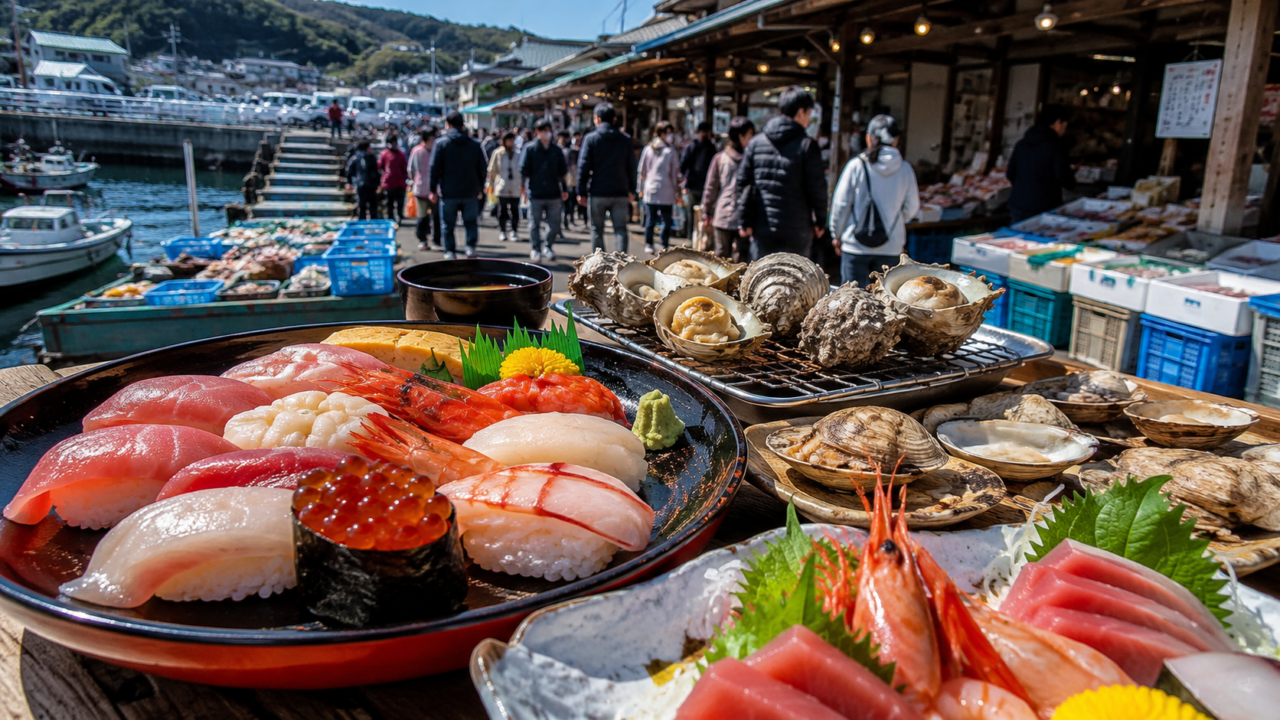
At Nakaminato, fresh seafood is sold at the market. Fish landed that day may be prepared and served as sushi or sashimi in nearby restaurants. The sushi is excellent, but the sashimi is also very good. The flavor of the fish is clear and strong, and you really feel that you are eating seafood in a port town.
Around the market, you can also enjoy more than sushi and sashimi. Outdoor food stalls sell grilled shellfish, such as turban shell cooked in its shell and grilled clams. As you walk outside the shops, the smell of grilled seafood drifts through the air. People are buying fish, waiting for restaurant seats, and walking around the market. Looking at seafood, buying seafood, and eating seafood all become part of the same experience.
Why Local Japanese People Also Visit Nakaminato
Nakaminato is not only a tourist spot. It is also popular with Japanese people living in the region. During busy seasons, some people drive from neighboring prefectures more than 50 kilometers away. On holidays, traffic can already begin forming around 8 a.m. The scene sometimes feels like the last scene of Field of Dreams: if there is good seafood, people will come.
But there is one important practical problem.
At a popular fish market like Nakaminato, local visitors sometimes have to choose between shopping for seafood and eating lunch.
Many local people go there to buy fresh fish and shellfish. But if they shop first, the popular sushi restaurants and Japanese seafood restaurants may quickly become full. Some lunch menus sell out before 1 p.m.
On the other hand, if they eat lunch first, the best fresh fish and shellfish may already be sold out by the time they go shopping. For local people, this can be a real dilemma. They want both: to buy good seafood to take home and to enjoy sushi or sashimi at the market.
For Travelers, Lunch Around 10:30 a.m. Can Be a Good Strategy
For travelers who only want to enjoy lunch, the situation is simpler. If you do not need to buy fish to take home, you can focus entirely on choosing a restaurant.
However, you should not assume that arriving at noon is early enough. On holidays or during busy seasons, popular restaurants may already be full by 11 a.m. If you want to enjoy a sushi or sashimi lunch at Nakaminato, going into a restaurant around 10:30 a.m. can be a much better strategy.
To enjoy good sushi in a Japanese port town, the restaurant name is not the only important thing. Timing also matters.
Local Sushi Shows Another Side of Japanese Food Culture
Famous conveyor belt sushi chains are useful, comfortable, and reliable. But the world of sushi in Japan does not end there. Regional restaurants, port-town markets, and places where local people gather from early morning all show another side of Japanese seafood culture.
If you want to eat delicious sushi in Japan at a reasonable price, do not look only for famous names. Spend a little time checking local information.
That small effort can change your meal completely.
Useful Links for Nakaminato Fish Market
-
Nakaminato Fish Market – Japan Travel
English travel information for international visitors. -
Nakaminato Osakana Ichiba Official Website
Official Japanese website with market and shop information.